Optimal Timing for Irrigation System Installation
Determining the optimal time for irrigation sprinkler installations depends on various factors, including climate, soil conditions, and landscape requirements. Typically, late spring and early summer are considered ideal periods when the ground is warm and dry, facilitating proper installation and system testing. Installing during these periods allows for adjustments before the peak growing season, ensuring efficient water distribution.
Installing sprinkler systems in spring ensures readiness for the growing season, with systems fully operational by early summer.
Fall installations can be effective, especially in regions with mild winters, allowing systems to settle before winter.
Dry, mild weather conditions are preferable for installation to prevent delays and ensure proper setup.
Loamy, well-drained soils are ideal for installation; heavy or frozen soils can complicate process and should be avoided.

Professional installation involves precise placement of sprinkler heads, underground piping, and system testing.

Specialized tools and equipment are employed to ensure accurate and efficient setup of sprinkler systems.

Site preparation includes clearing debris, marking zones, and assessing soil conditions for optimal installation.

Ways to make Irrigation Sprinkler Installations work in tight or awkward layouts.

Popular materials for Irrigation Sprinkler Installations and why they hold up over time.

Simple add-ons that improve Irrigation Sprinkler Installations without blowing the budget.
| Season | Recommended Timing |
|---|---|
| Spring | Late March to early June |
| Summer | Early June to late August |
| Fall | September to early November |
| Winter | Not recommended in cold climates |
Irrigation sprinkler installations are crucial for maintaining healthy landscapes and efficient water use. Proper installation involves careful planning, including zone design, sprinkler head placement, and system testing. Advances in technology have led to smart sprinkler systems that adapt to weather conditions, further optimizing water consumption. Statistics indicate that professionally installed systems can reduce water waste by up to 30%, making timely installation a valuable investment for landscape management.
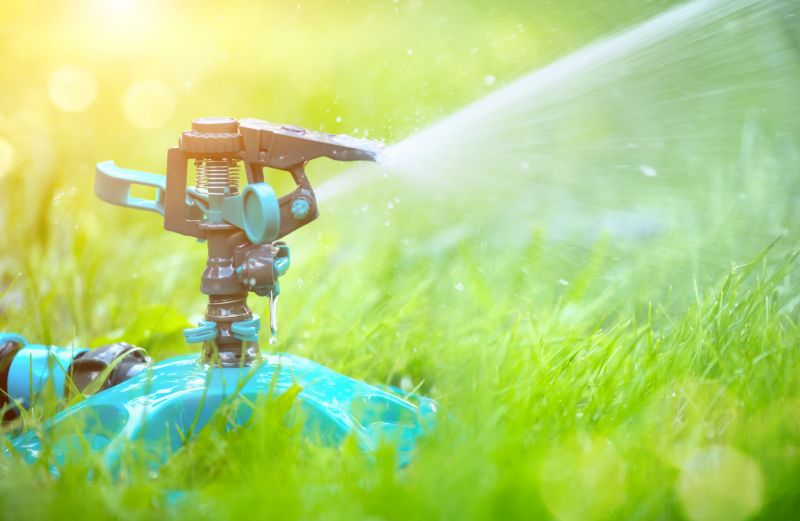
Proper head placement ensures even coverage and efficient watering.
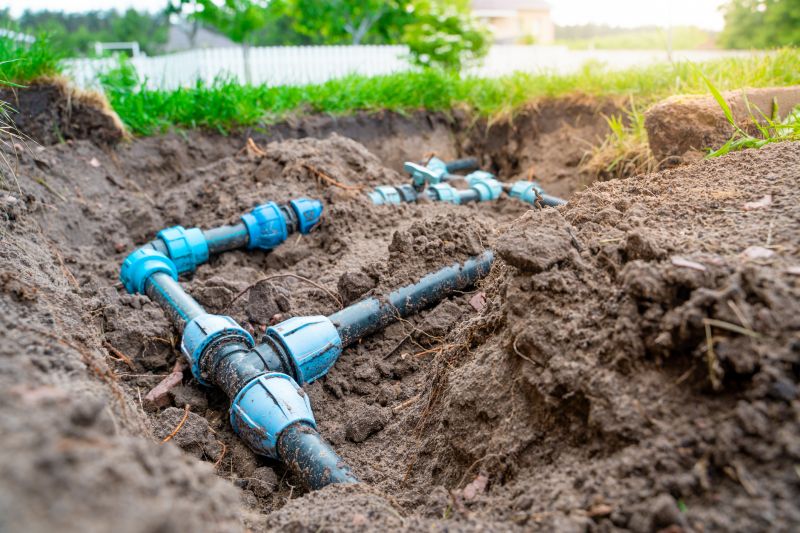
Installing underground piping connects sprinkler heads to water sources securely.
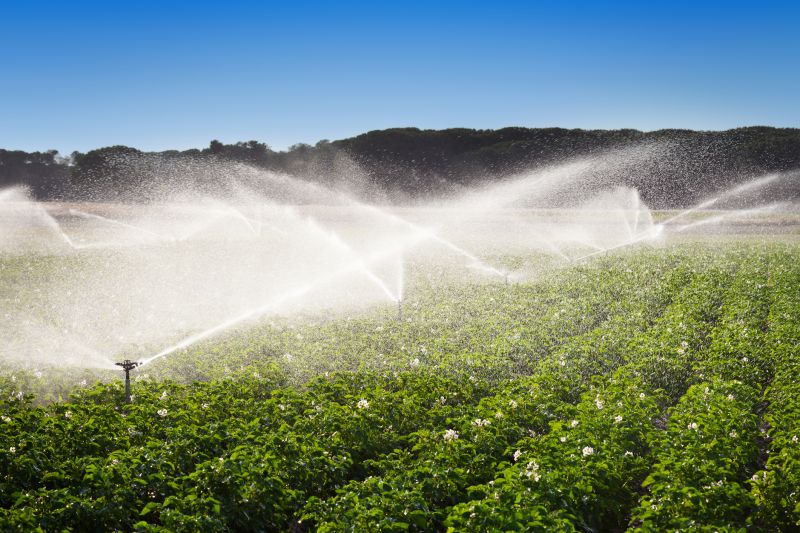
Testing ensures proper operation and coverage, with adjustments made as needed.
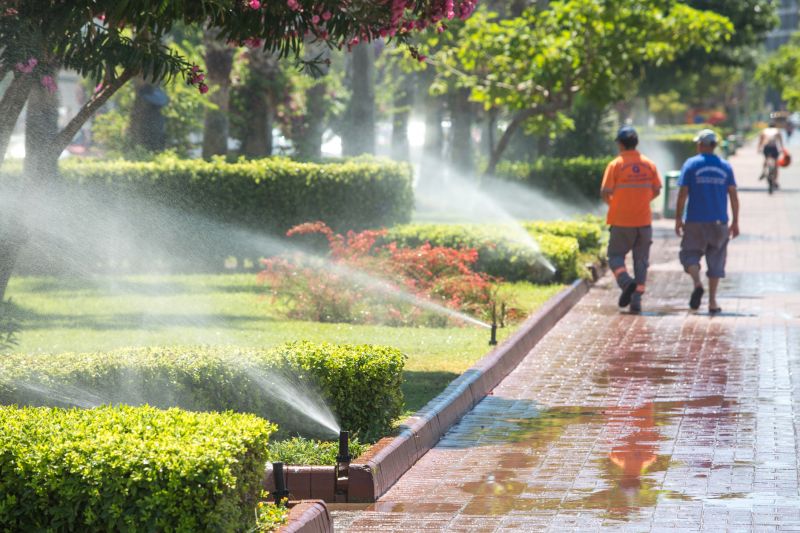
Modern systems include sensors and timers for optimized watering schedules.
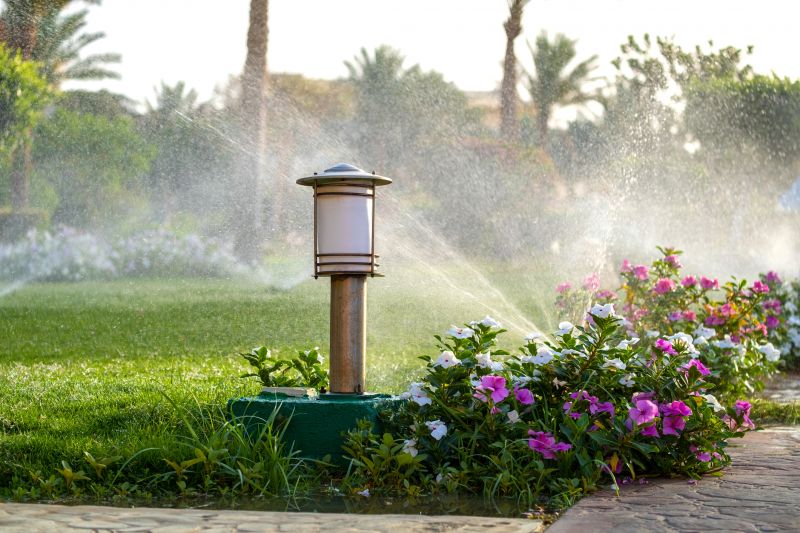
High-end options that actually feel worth it for Irrigation Sprinkler Installations.
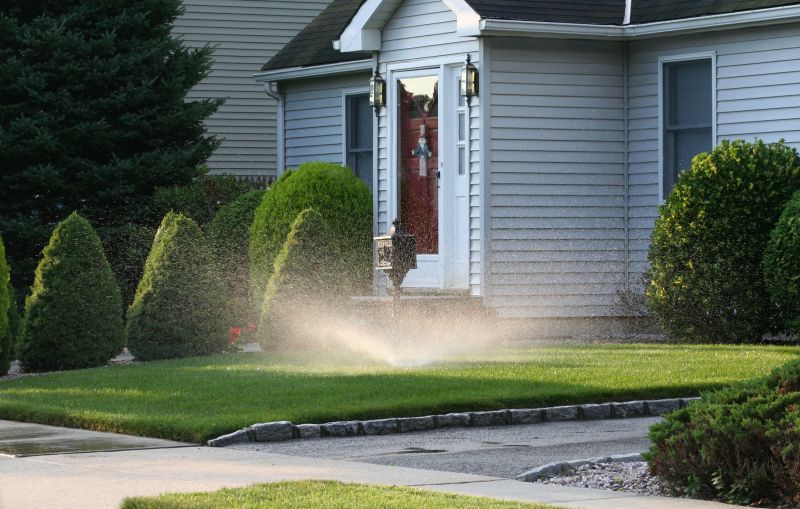
Finishes and colors that play nicely with Irrigation Sprinkler Installations.
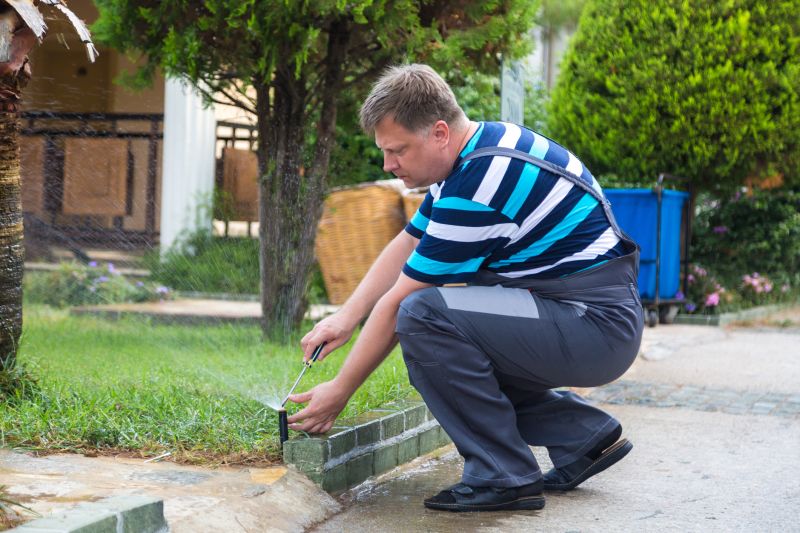
Little measurements that prevent headaches on Irrigation Sprinkler Installations day.
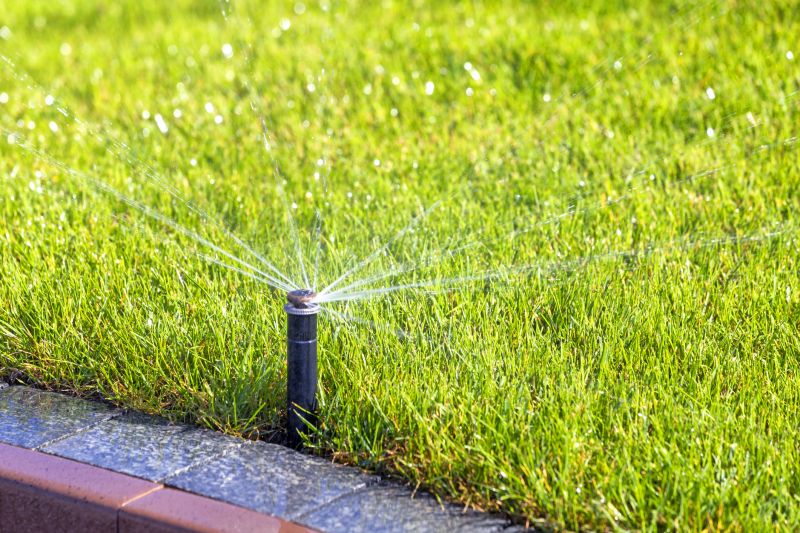
A 60-second routine that keeps Irrigation Sprinkler Installations looking new.
Interested in installing an irrigation sprinkler system? Filling out the contact form can provide more information and help schedule a consultation. Proper timing and professional installation contribute to a healthy landscape and efficient water use, making it a valuable addition to any property.